
Why Homeowners in Singapore Should Manage Their Power Usage with Load Planning
Key Takeaways
- Managing your home’s power usage helps prevent overloading and reduces the risk of power trips.
- Basic load planning ensures electricity demand is distributed safely across different areas of the home.
- It supports smooth performance for appliances and smart devices without straining your system.
- Older homes may face limitations when handling modern electricity usage without proper planning.
- A well-managed setup makes it easier to adapt to future upgrades and changing lifestyle needs.
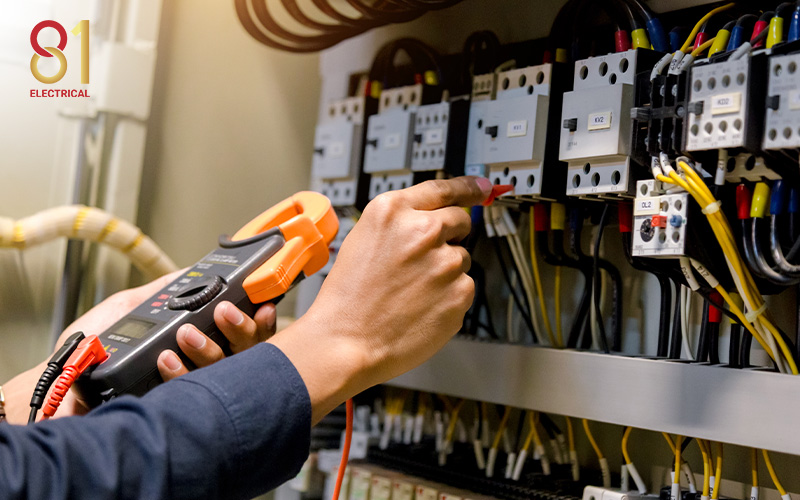
If you are looking to upgrade the electrical system in your HDB flat, be it for rewiring purposes or to install modern devices, you should know that it is not just about replacing old wires or installing new sockets. It is also about making sure that your home’s wiring system can handle the power demands of all your appliances, both current and in the future. This is why load planning is such a crucial step of the process—it safeguards your home, enhances energy efficiency, and ensures that your home complies with Singapore’s building regulations. Here are several reasons that underscore its importance.
Why Managing Power Usage Matters in Your Home
1. Helps Prevent Power Trips and Overloading
Prevents Overloading and Tripping
Many homeowners in Singapore overlook how much electricity their everyday appliances actually use. Even common items like water heaters and air-conditioners can place a significant demand on your home when used together.
Without managing your power usage, running multiple high-consumption devices at the same time may lead to:
- frequent power trip
- overheating
- long-term strain on your system
This is where simple load planning becomes useful. By being more mindful of how electricity is distributed, especially in high-usage areas like kitchens and bathrooms, you can reduce the chances of overloading and identify when older HDB electrical systems may require professional HDB electrical rewiring to support modern power demands.
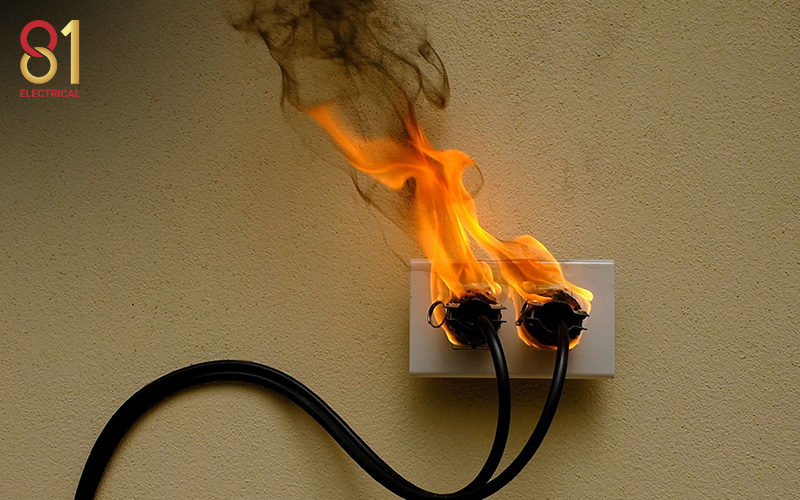
If you are planning to upgrade your home or introduce new appliances, it is not just about adding more sockets or replacing older wiring. It is also about making sure your home can comfortably support how electricity is used across your space, both now and in the future.
Managing your home’s power usage simply comes down to understanding which appliances consume more electricity, when they are used, and how that demand is spread across different areas of your home. This is where the idea of load planning comes in; a term that describes how you organise electricity distribution in your house so that everything works safely and efficiently.
Even a basic awareness of these concepts can go a long way in preventing issues and keeping your home running smoothly.
2. Keeps Smart Home Systems Running Smoothly
Supports Smart Home Integration
More homeowners are adopting smart home technology to improve convenience and efficiency. However, these systems depend on a stable and well-managed electrical setup.
From motion-activated lighting and smart locks to CCTV systems and motorised blinds, each device adds to your home’s overall power usage.
While these devices may not consume large amounts individually, they contribute to the total demand across your home. With basic load planning and proper electrical wiring installation in the house, different areas can operate more independently, reducing the chances of one issue affecting everything else.
Managing power usage helps ensure:
- devices remain responsive
- systems do not fail during peak usage
- different areas of the home can operate reliably
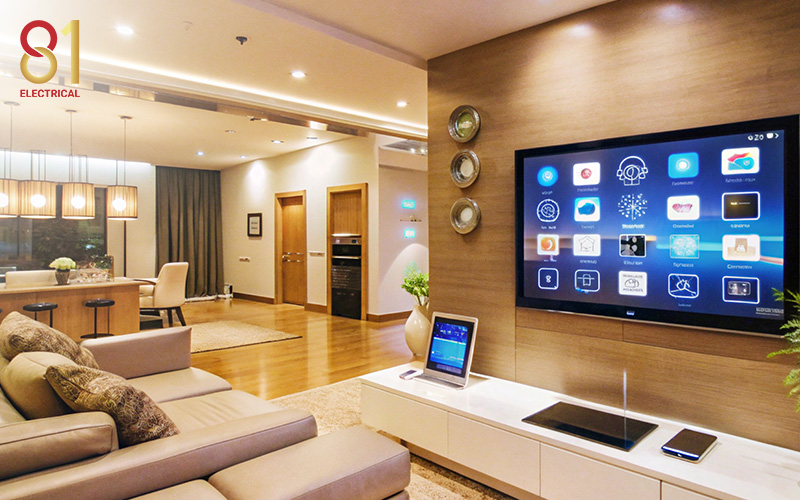
More homeowners are now adopting smart home technology to improve comfort, convenience, and energy efficiency. However, these systems are only as reliable as the electrical infrastructure behind them.
Smart home electrical planning requires a clear understanding of how much power each device will draw, and where it will be drawn from. From motion-activated lighting and voice-controlled blinds to smart locks and CCTV cameras, every connected device adds to the total load on your electrical system.
This is where load planning comes in handy, as it allows your electrician to segment different zones—for example, separating the smart controls for the kitchen, living room, and bedroom—so that one overloaded circuit does not bring down the entire system. If you are also considering an electric vehicle charger or home battery system, your load plan must factor in future usage as well.
3. More Important for Older Homes
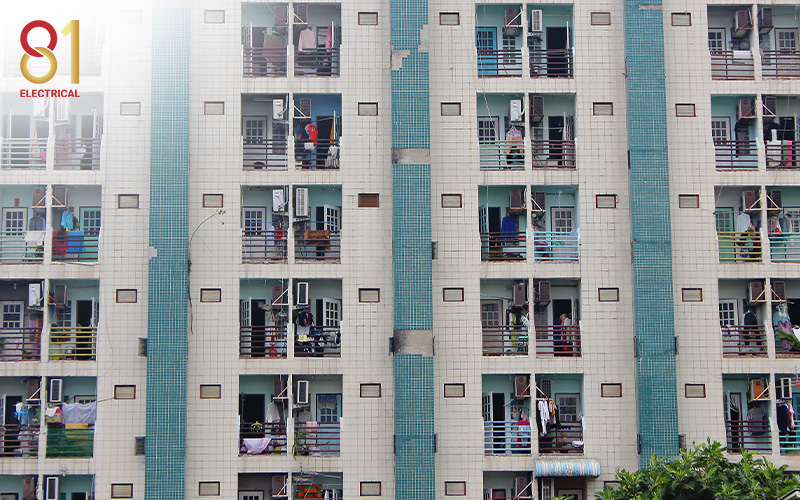
If your home was built decades ago, it may have been designed for much lower electricity usage compared to today.
At that time, households typically used fewer appliances, and overall demand was much lower. Today, with air-conditioners, water heaters, and multiple devices running at once, older setups may struggle to keep up.
This can result in:
- limited capacity to handle multiple appliances
- increased likelihood of power trips
- constraints when adding newer or higher-consumption devices
In some cases, electrical rewiring may be considered when the existing setup is no longer able to support modern power usage. However, this is not just about upgrading components, as proper load planning is needed to ensure that the increased capacity is distributed safely across different areas of the home.
In Singapore, such adjustments are guided by safety requirements set by the Energy Market Authority (EMA), with relevant approvals required to ensure everything is properly assessed.
Understanding this helps homeowners recognise that as power usage increases, it is not just about adding more devices, but ensuring the overall system can support them safely.
4. Supports Safer and More Compliant Home Setups
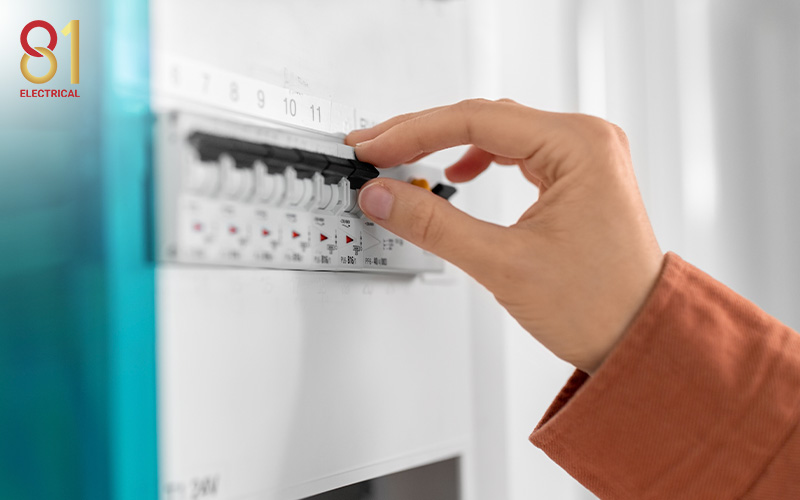
In Singapore, electrical systems are guided by safety standards set by organisations such as the Energy Market Authority (EMA).
While homeowners may not deal directly with technical requirements, understanding how power usage and load planning work together helps ensure that any electrical services carried out in the home are aligned with safety expectations.
This is especially important when making changes that affect how electricity is distributed, as proper planning helps:
- keep your setup within safe operating limits
- reduce the risk of overloading or system strain
- ensure your home remains reliable over time
Ultimately, it is about maintaining a safe and stable environment for everyday living, while ensuring that any adjustments are properly considered.
How Homeowners Can Better Manage Power Usage with Simple Load Planning
Managing your home’s power usage does not have to be complicated. At its core, it is about being aware of how electricity is used across your home and ensuring that demand is not concentrated in one area at any given time.
This is where simple load planning comes in. By understanding which appliances consume more power and being mindful of when and where they are used, homeowners can reduce unnecessary strain on their electrical system. For example, avoiding the simultaneous use of multiple high-consumption appliances in the same space, or spreading usage more evenly across different areas of the home, can help improve overall stability.
It also helps to think ahead when introducing new appliances or smart devices, as each addition contributes to your home’s total power usage. Paying attention to early signs such as frequent tripping or inconsistent performance can further indicate when adjustments may be needed, especially if the issue should be reviewed by an HDB electrician.
With a basic approach to load planning, homeowners can maintain a safer, more reliable setup while ensuring their home remains adaptable to future needs.
Whether you are giving your flat a much-needed electrical upgrade or building a smart home setup, you should never neglect load planning. It is absolutely necessary for preventing overloads, supporting smart device integration, and ensuring that your home meets regulatory guidelines. Most importantly, it gives you peace of mind that your home is ready for today’s—and tomorrow’s—power needs.
Here at 81 Electrical, we offer professional advice, safe installations, and compliance-driven solutions. Our team handles everything from electrical rewiring to smart home electrical planning, and we are committed to ensuring that your setup is done properly and built to last. With years of experience under our belt serving over 10,000 regular customers, we are one of the best electricians in Singapore, and more importantly, one you can entrust your electrical needs to.
To find out more about our services, please contact us today.